Perfect Garden Design

Chris Isidore
| 20-05-2026
 · Lifestyle Team
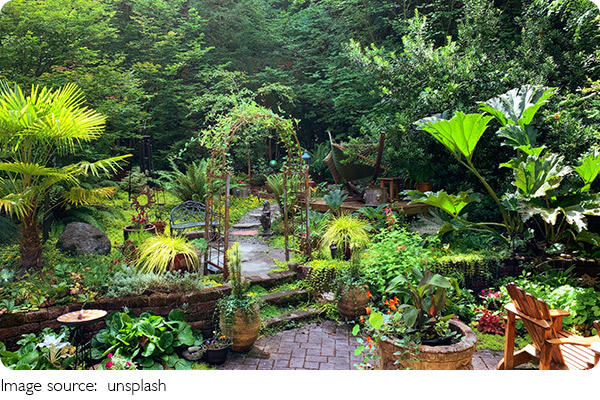
We all admire the beautiful gardens we see in other countries, and often wonder how they manage to create such stunning landscapes. While many of the plants and even the architectural features are available to us, why is it so hard to replicate these gardens?
The answer lies in plant arrangement. Plant arrangement is the soul of garden design, and it comes from nature itself. To create a garden as beautiful as those we admire, we need to learn how to select and pair plants based on their natural growth habits.
Let's dive into some essential tips for designing a perfect garden!
1. Leaf Shape Contrast and Color Harmony
The colors of the plants in your garden directly influence the first impression it leaves. Each color has its own unique language. The choice of colors should be based on what you, as the garden owner, want to achieve. If you want a soft and calming effect, choosing plants with adjacent colors on the color wheel will help. For a vibrant and energetic garden, bright yellows and oranges are perfect. It's important to decide on the overall image of your garden first and then pick the colors based on your personal preference.
When designing a combination of plants with contrasting leaf shapes, a few plants with colors like purple and yellow can create a strong visual effect. For example, a plant with straight, hard leaves, such as yucca, paired with softer, rounder-leaved plants like ornamental grasses or perennials, will create an impressive contrast. This balance adds uniqueness to your garden's look.
2. Matching Colors with Different Shapes
Another technique is to plant flowers that have the same color but different shapes. For example, planting light pink Chrysanthemums next to Purple Rudbeckia will create a strong romantic pink atmosphere. Despite their color similarity, these two flowers have different shapes, adding variety and interest to the arrangement.
Pay attention to the texture of plants too. Finer-textured plants, like ornamental grasses, help soften the look of your garden and make it feel more natural. On the other hand, coarser-textured plants like yucca or large hydrangeas can create bold visual statements.
3. Differentiating Leaf Shapes for a Calming Effect
Plants with varied leaf shapes can create a peaceful and serene garden. When combining plants with different shades of green, it's crucial to position them correctly. For example, dark green Euphorbia plants can serve as the backdrop for lighter, paler ferns, creating a lovely contrast. This subtle difference in color can bring out the beauty in both types of plants. Additionally, the patterns and shapes of the leaves should be considered when arranging plants for maximum effect.
4. Contrasting Colors for Impact
Sometimes, using contrasting colors side by side can create an eye-catching effect. For instance, purple and yellow are two colors that don't share any common elements, making their contrast particularly strong. By combining a plant like thistle with grayish-purple flowers and planting it among dark red foliage, the contrast will be softened, while the shape differences between the plants will balance out.
5. Creating Height and Shape Differences
The heights and sizes of plants play an important role in creating a balanced visual space in your garden. By choosing plants with varying heights, we can add dimension and richness to the garden. For instance, tall pine trees can be paired with shorter, rounded boxwoods. These height differences allow for a dynamic, more engaging landscape. The key is to use plants that differ in both height and shape to create a natural flow and add interest to your garden.
6. Harmonizing Basic Tones
Using plants that share similar basic color tones can create a harmonious and balanced look. For example, purple and blue tones, along with subtle red hues, can be paired together to form a pleasing combination. Combining plants like ornamental kale with blue-purple and red-purple tones, alongside pure purple cabbage, creates a well-coordinated and soothing scene.
7. Embracing Abundant Growth
If you prefer a lush, full garden, consider using plants that spread horizontally or climb upwards. These types of plants will create a beautiful and vibrant landscape. However, it's important to plant them in large enough quantities to create the desired effect. For instance, wildflower mixes can be sown to fill your garden with a natural, abundant look that feels almost like it has grown on its own.
8. Layering and Plant Arrangement
The arrangement of plants in layers adds depth and dimension to the garden. Flowers grow in various forms, such as umbels, spikes, and heads, each bringing its own unique texture to the garden. The key is to mix these different forms in a way that enhances the overall feel of your garden. Smaller plants should be positioned at the front, with taller plants at the back to create a sense of perspective and depth.
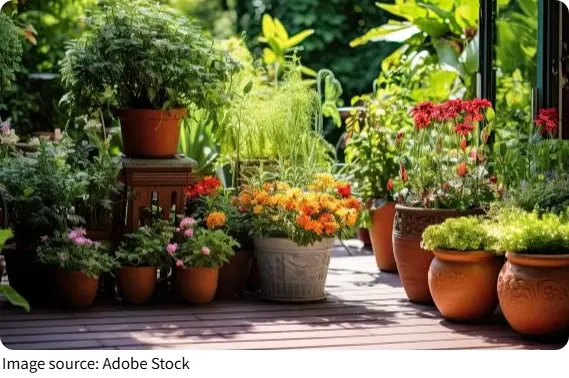
Your garden should not only be a space filled with beautiful plants, but it should also reflect your personal style. By following these tips for plant pairing and arrangement, you can create a garden that is both visually stunning and calming. Remember that a garden is a living space, and each plant contributes to the overall ambiance. Take your time choosing the right plants, and don't forget to enjoy the process of bringing your garden to life. Happy gardening, Lykkers!