Teach Animal Conservation

Owen Murphy
| 06-05-2026
 · Animal Team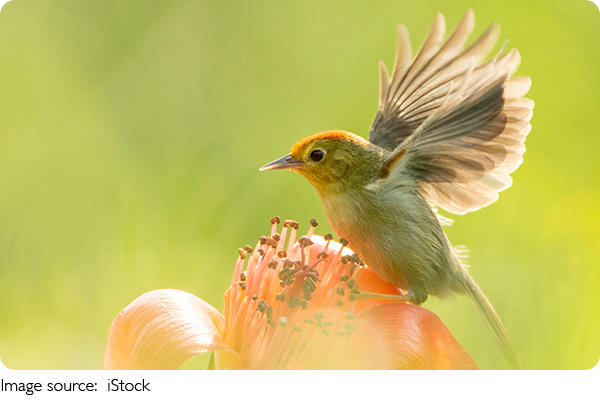
On a weekend hike, you might notice kids excitedly pointing at a bright bird or a rabbit darting through the underbrush.
Those small moments can spark curiosity, and curiosity is the first step toward conservation.
Teaching others about protecting animals doesn't require a classroom—it starts with sharing knowledge, experiences, and simple actions that anyone can take to make a difference.
Start with Clear, Relatable Stories
People connect with stories more than facts alone. Sharing real-life examples of wildlife challenges or success stories can make conservation tangible and memorable.
Ways to tell impactful stories:
Highlight local wildlife and explain their role in the ecosystem.
Share stories of rescued or rehabilitated animals to show human impact.
Use simple analogies, like comparing a forest to a community where every species has a job.
An actionable example: during a community nature walk, you can point out a nesting bird and explain how preserving trees helps young birds survive, making the lesson hands-on and memorable.
Use Visuals and Interactive Tools
Visual learning is powerful. People retain information better when they see and interact with it, whether through images, videos, or hands-on activities.
Ideas for interactive education:
Create short videos or slides showing different species and their habitats.
Use models, maps, or wildlife tracking tools for hands-on demonstrations.
Organize games or quizzes that reinforce conservation knowledge.
For example, a classroom activity where students use maps to track animal migration can make them understand habitat fragmentation and the need for wildlife corridors.
Lead by Example
Actions speak louder than words. Demonstrating conservation behaviors in daily life inspires others to follow suit.
Practical ways to model good behavior:
Reduce single-use plastics and explain how waste impacts wildlife.
Participate in local clean-up or habitat restoration projects and invite others.
Adopt or support ethical products that avoid animal harm.
A tangible step: organizing a weekend park cleanup with friends shows participants how small actions directly benefit local animals, reinforcing the lesson in a practical way.
Engage Communities Through Activities
Conservation becomes more meaningful when people experience it together. Group activities build awareness while creating a sense of shared responsibility.
Community engagement ideas:
Set up wildlife observation days or nature walks for local residents.
Host workshops on building birdhouses, bat boxes, or pollinator gardens.
Organize citizen science projects, such as monitoring local wildlife populations.
An actionable example: a community bird-watching event can include a short talk about protecting wetlands, letting participants see the connection between their efforts and the survival of local species.
Use Social Media and Technology
Digital platforms can amplify your message to reach people who might never attend in-person events. Creative posts can spark curiosity and encourage action.
Ways to use online platforms:
Share short videos or infographics about endangered species and ways to help.
Create online challenges, like documenting backyard wildlife or planting native plants.
Encourage followers to share their own conservation stories, building a network of awareness.
For instance, a short Instagram video showing how to create a simple pollinator garden can inspire viewers to take immediate action in their yards, showing a direct link between education and change.
Small efforts to teach conservation can ripple out far beyond your immediate circle. Every story told, activity led, or post shared plants seeds of awareness that grow into real-world action. By showing others why wildlife matters and giving them tools to help, you create a community that values and protects the animals that share our planet.