Wildebeest Wonders

Chris Isidore
| 25-02-2026
 · Animal Team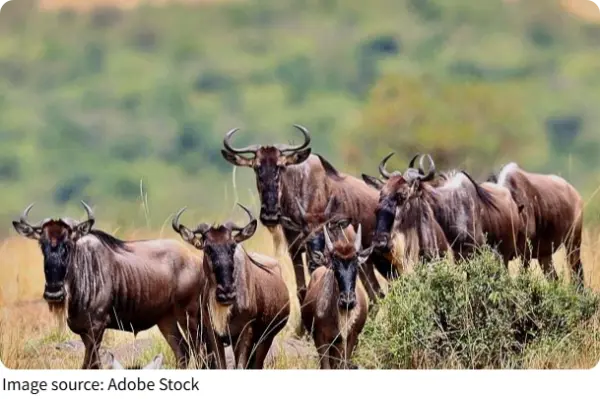
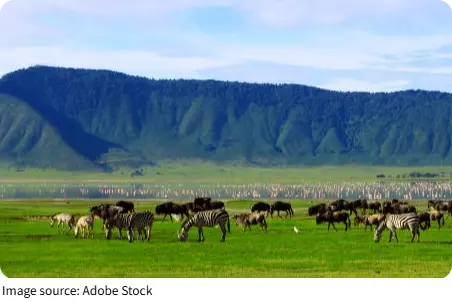
A sweeping plain dotted with dark shapes moving in unison captures the eye immediately.
That's a herd of wildebeest, often called the engine of the savannah.
Their steady pace, rhythmic movement, and sheer numbers make them one of the most fascinating creatures in the animal kingdom. But beyond the iconic migration, wildebeest have habits and adaptations that reveal how they survive, socialize, and thrive in harsh environments.
1. Iconic Migration Patterns
Seasonal movement
Following rainfall and grazing
Avoiding drought-stricken areas
Wildebeest are famous for their annual migration, traveling hundreds of miles in search of fresh grass and water. They time their movements carefully, often crossing rivers teeming with predators. This migration ensures they access optimal grazing land and maintain herd health.
Actionable example: Wildlife photographers and researchers often track rainfall and river levels to predict migration routes, allowing them to observe the wildebeest during critical crossing points.
2. Social Structure and Herd Behavior
Large herds for protection
Hierarchical male groups
Coordination during movement
Wildebeest live in massive herds ranging from a few hundred to thousands. Staying together reduces the risk of predator attacks. Males establish small territories within larger groups during breeding season, while females and young form protective clusters. Coordinated movements make it harder for predators to single out individuals.
Actionable example: Observing herd reactions when a predator is near shows clear patterns: a synchronized shift in direction often occurs, demonstrating instinctive communication and leadership within the group.
3. Unique Reproductive Habits
Synchronized calving
High birth numbers
Rapid growth for survival
Wildebeest often give birth in large numbers over a short period. This synchronized calving helps ensure that predators cannot consume all the newborns, increasing the survival odds for the herd. Calves can stand and run within hours of birth, a crucial adaptation in predator-heavy environments.
Actionable example: When monitoring a herd, note the concentration of young during calving season—it's a natural strategy that spreads risk and protects the next generation.
4. Feeding and Digestive Adaptations
Grazing on short grasses
Efficient digestion
Adaptation to dry conditions
Wildebeest primarily feed on short grasses, which are abundant after rains. Their ruminant stomachs allow them to extract maximum nutrients from fibrous plants. During dry periods, they can switch to tougher grasses or leaves, demonstrating remarkable dietary flexibility.
Actionable example: If studying wildebeest nutrition, observing their grazing behavior across seasons reveals how their diet shifts in response to environmental changes, a key factor in their survival strategy.
5. Predator Avoidance and Survival
Alertness in herds
Speed and stamina
Using numbers as protection
Wildebeest are preyed upon by lions, hyenas, and crocodiles. Their survival depends on staying alert, running at high speeds, and using the herd as a shield. Adults take turns leading and watching, while calves stay near the center for protection. This combination of vigilance, speed, and numbers makes them resilient despite constant threats.
Actionable example: Observers can see a clear pattern: when one wildebeest senses danger, tail signals or sudden movement ripple through the herd, prompting coordinated escape behaviors.
Wildebeest are not just symbols of migration—they are masters of survival, social coordination, and adaptability. Every movement, grazing habit, and calving strategy reveals a species finely tuned to the savannah's challenges. Watching them up close offers lessons in teamwork, instinct, and resilience that are truly remarkable.